
Ensuring Excellence: Pelitamaju Conducts Full-Scale Performance Mock-Up Test for BSD Unitized Curtain Wall Project
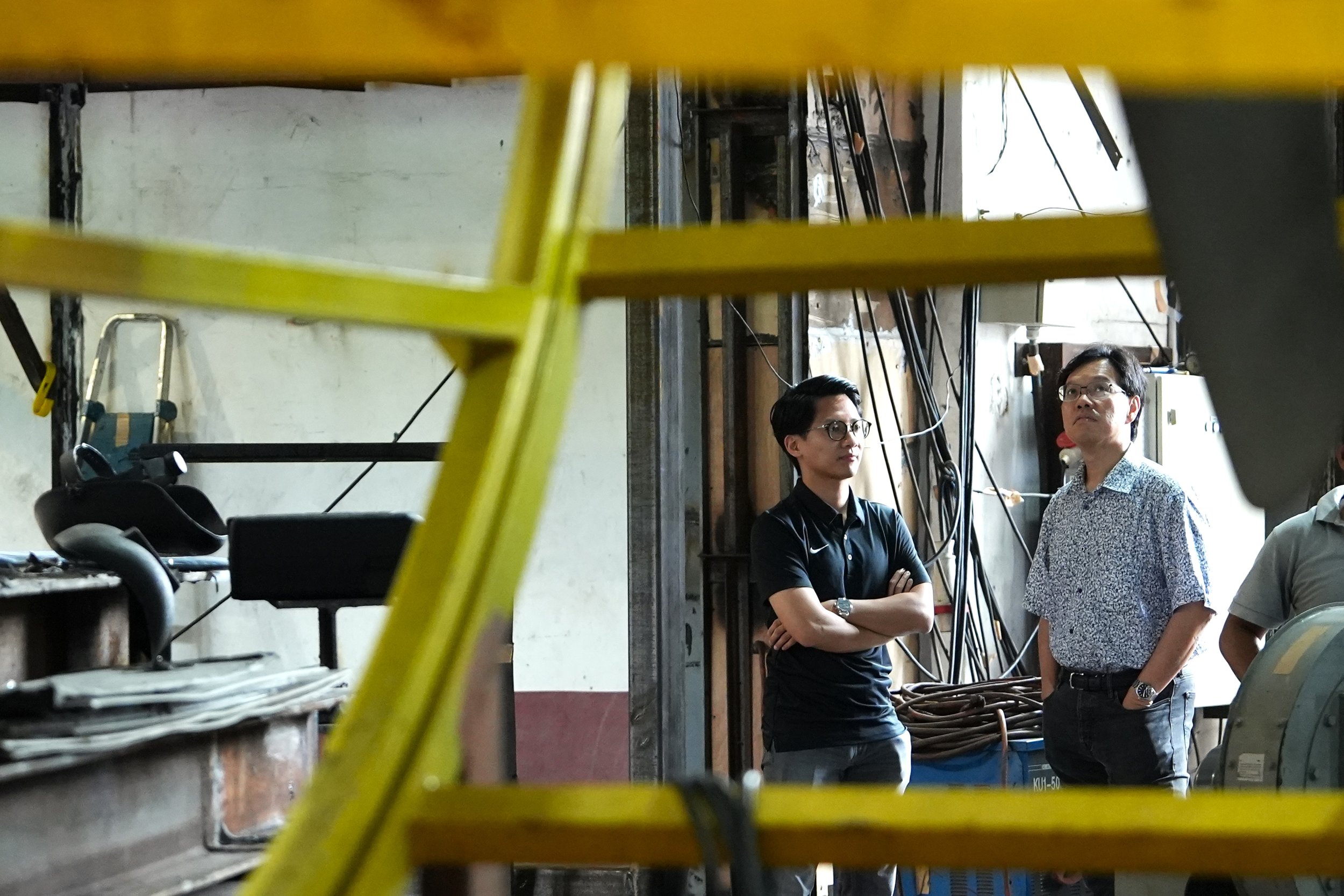
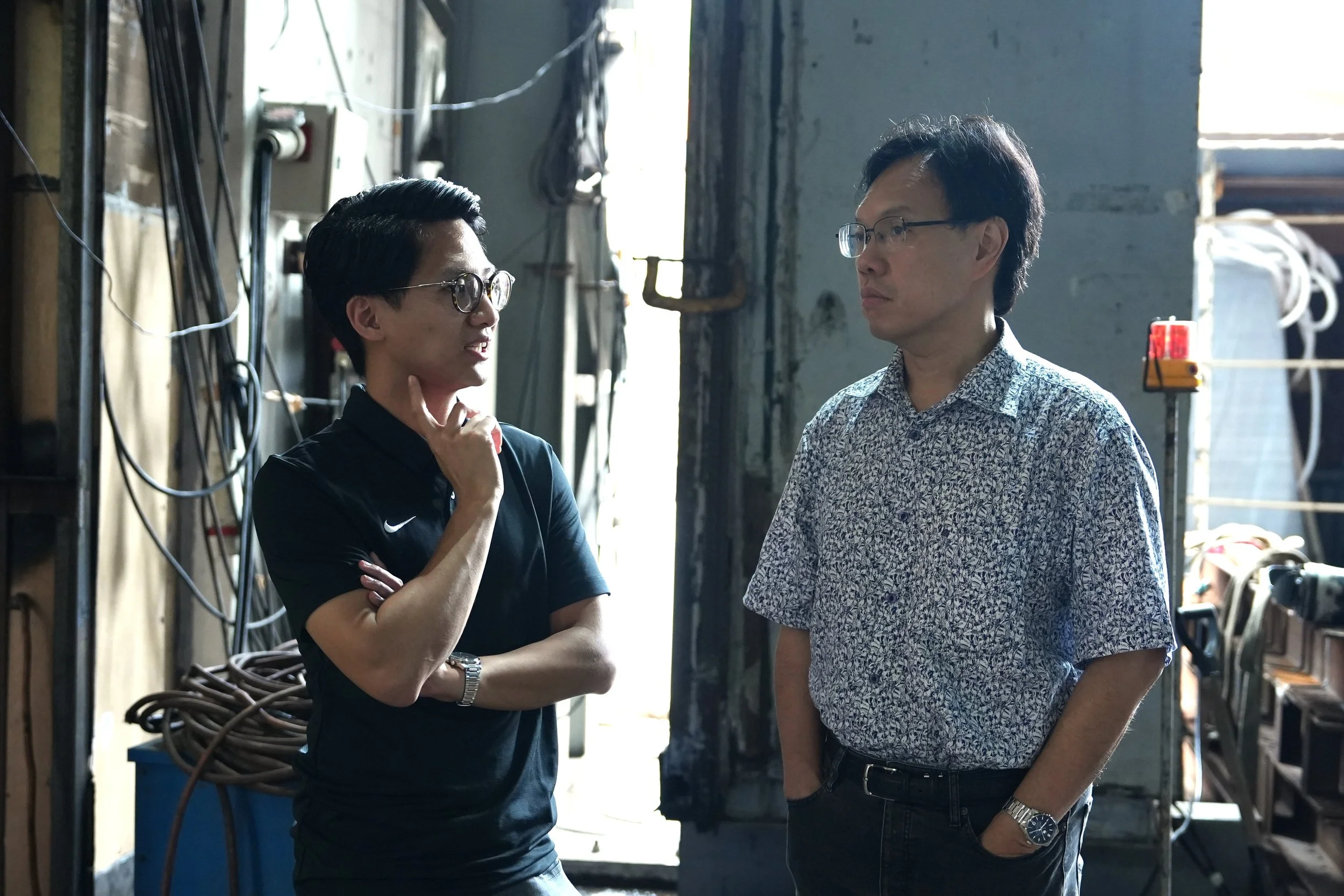
As an Indonesian façade contractor with more than three decades of experience, Pelitamaju continues to uphold the highest quality standards in every project. One form of this commitment is the implementation of a Performance Mock-Up (PMU) Test for the unitized curtain wall project that will be constructed in the BSD area.
This testing was carried out at the facility of Winwall Technology PTE. LTD, Singapore, one of Asia’s leading laboratories for full-scale façade testing. The PMU Test is an essential stage to ensure that the façade system can perform optimally once installed on the actual building, covering air and water resistance, structural performance, and response to interstory movement.
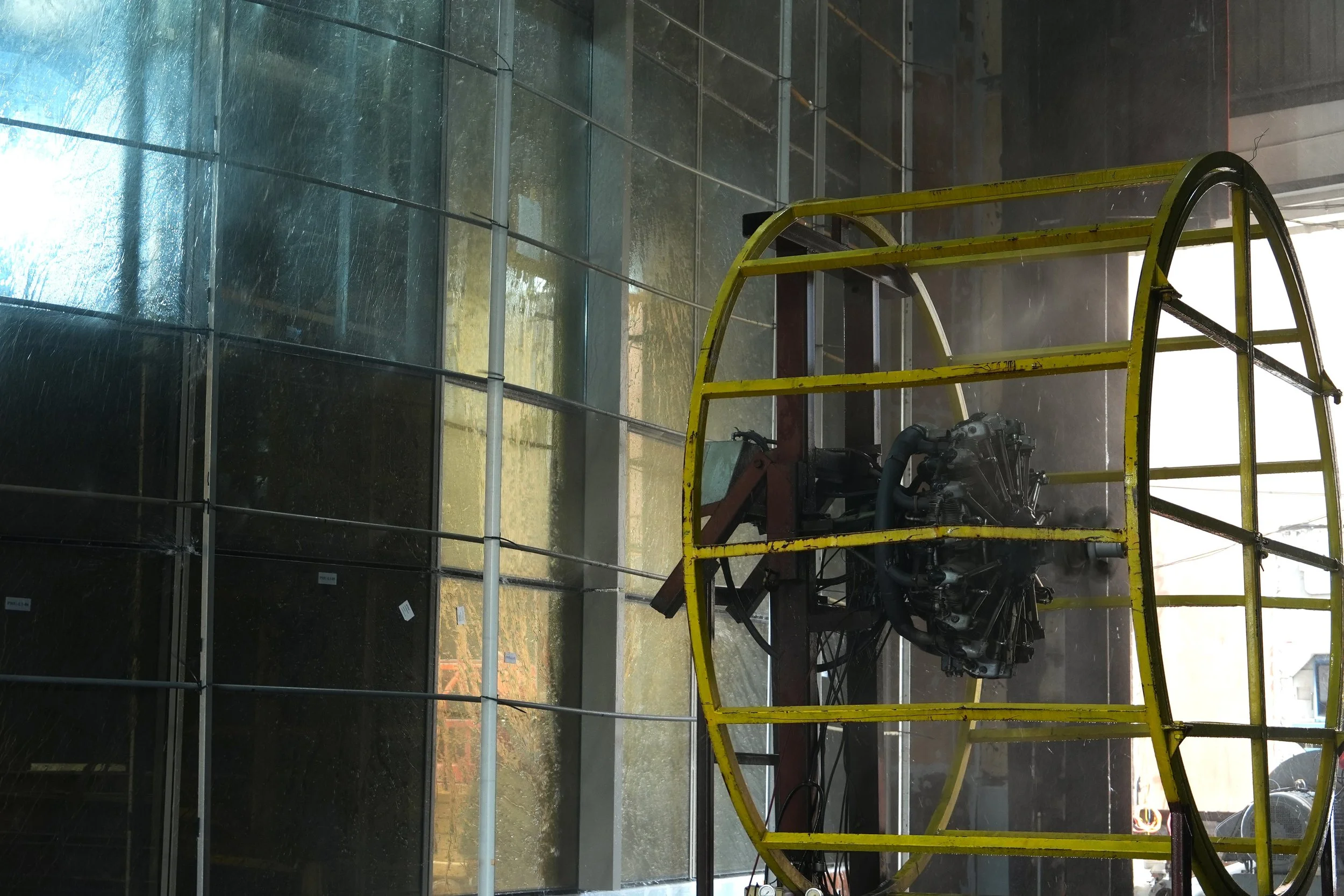
Pelitamaju submitted a test specimen measuring 8.132m (W) x 10.5m (H), representing the unitized curtain wall system that will be applied in the BSD project. These dimensions allow precise simulation of real site conditions for façade panels, mullions, transoms, glass, sealant, and all structural and weatherproofing components.
The testing format followed international standards, namely:
1. ASTM (American Society for Testing and Materials)
ASTM is widely used in the façade industry to ensure that the curtain wall system can operate optimally in real-world conditions, particularly for air pressure and wind load performance.
2. AAMA (American Architectural Manufacturers Association)
AAMA test methods are commonly used to simulate extreme conditions such as strong winds and horizontal rain, making them highly relevant for high-rise buildings.
3. AS/NZS (Australian/New Zealand Standard)
As Indonesia is located in a tropical region with monsoon winds, AS/NZS standards are often used as an additional reference to ensure façade performance under extreme weather conditions.
These standards are globally recognized for ensuring accuracy, safety, and consistent façade performance.
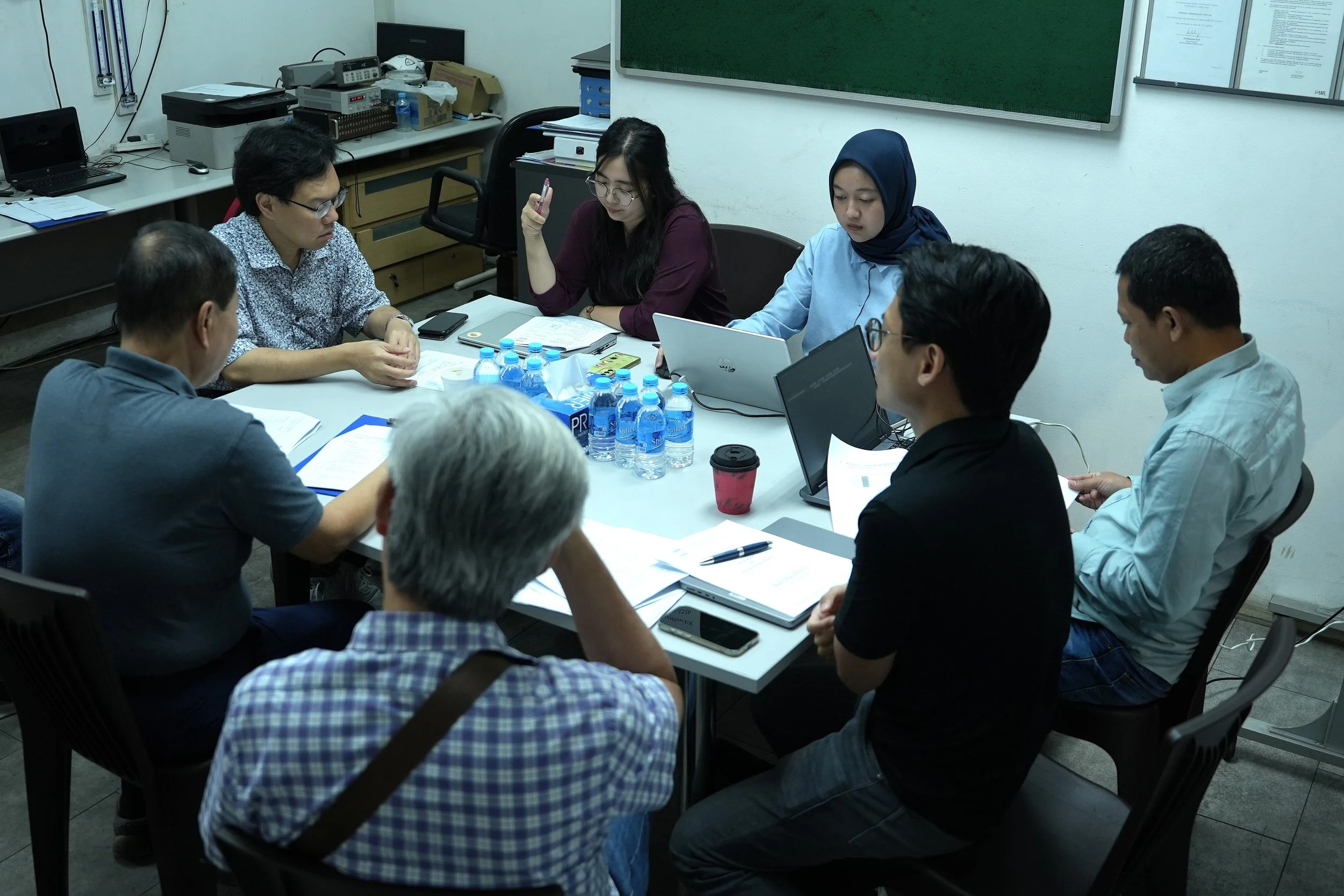
The tests conducted by Pelitamaju include:
Air Infiltration Test — ASTM E283/E283M-19
This test measures the amount of air that can pass through the curtain wall system when subjected to pressure differences. Its objective is to ensure all components meet airtightness requirements without gaps or microscopic leakage.Static Water Penetration Test — ASTM E331:2000 (Reapproved 2023)
This test evaluates the façade’s ability to withstand static water pressure on windows, doors, and curtain walls. The specimen is visually inspected to ensure no water penetration occurs during the test.Dynamic Water Penetration Test — AAMA 501.1-17
Using dynamic air pressure (900 Pa), this test simulates wind-driven rain conditions on high-rise buildings. The specimen is examined to ensure no water leakage occurs on the interior façade surface.Structural Performance Test — ASTM E330/E330M-14 (Reapproved 2021)
This test ensures the façade system can withstand real wind loads without structural damage, excessive deformation, or failure of the mullion, transom, or glass units. It is a critical parameter for façade safety and long-term durability.Vertical Interstory Movement Test (Up–Down) — AAMA 501.7-17
This test evaluates the façade’s response to vertical interstory movement, ensuring no distortion, anchor damage, frame failure, glass breakage, gasket disengagement, or structural/weather sealant failure.Horizontal Movement Test (Left–Right) — AAMA 501.4:2018
This test assesses the façade’s ability to accommodate horizontal building movement. As with the vertical test, all components must remain intact and functional without failure.BMU Restraint Test — AS/NZS 4284:2008, Clause 8.7
This test ensures the Building Maintenance Unit (BMU) does not cause damage to the curtain wall, anchors, or assembly during operation.Structural Proof Load Test — ASTM E330/E330M-14 (Reapproved 2021)
This test confirms that no structural failure, permanent deformation, adhesion or cohesion failure of structural silicone, or damage to anchors, frames, glass, or panels occurs. Should failure occur in the air infiltration or water penetration tests, retesting is mandatory.
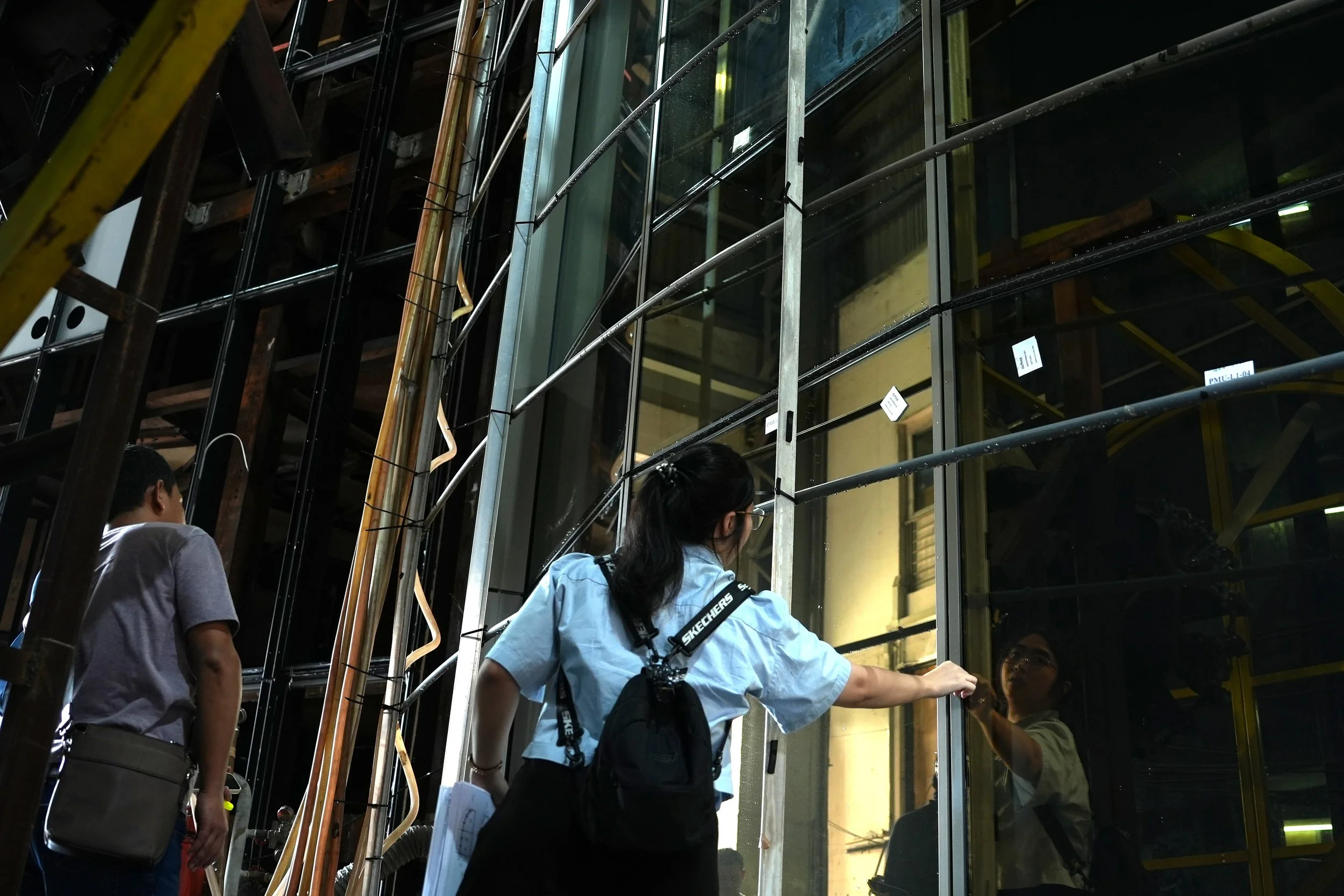
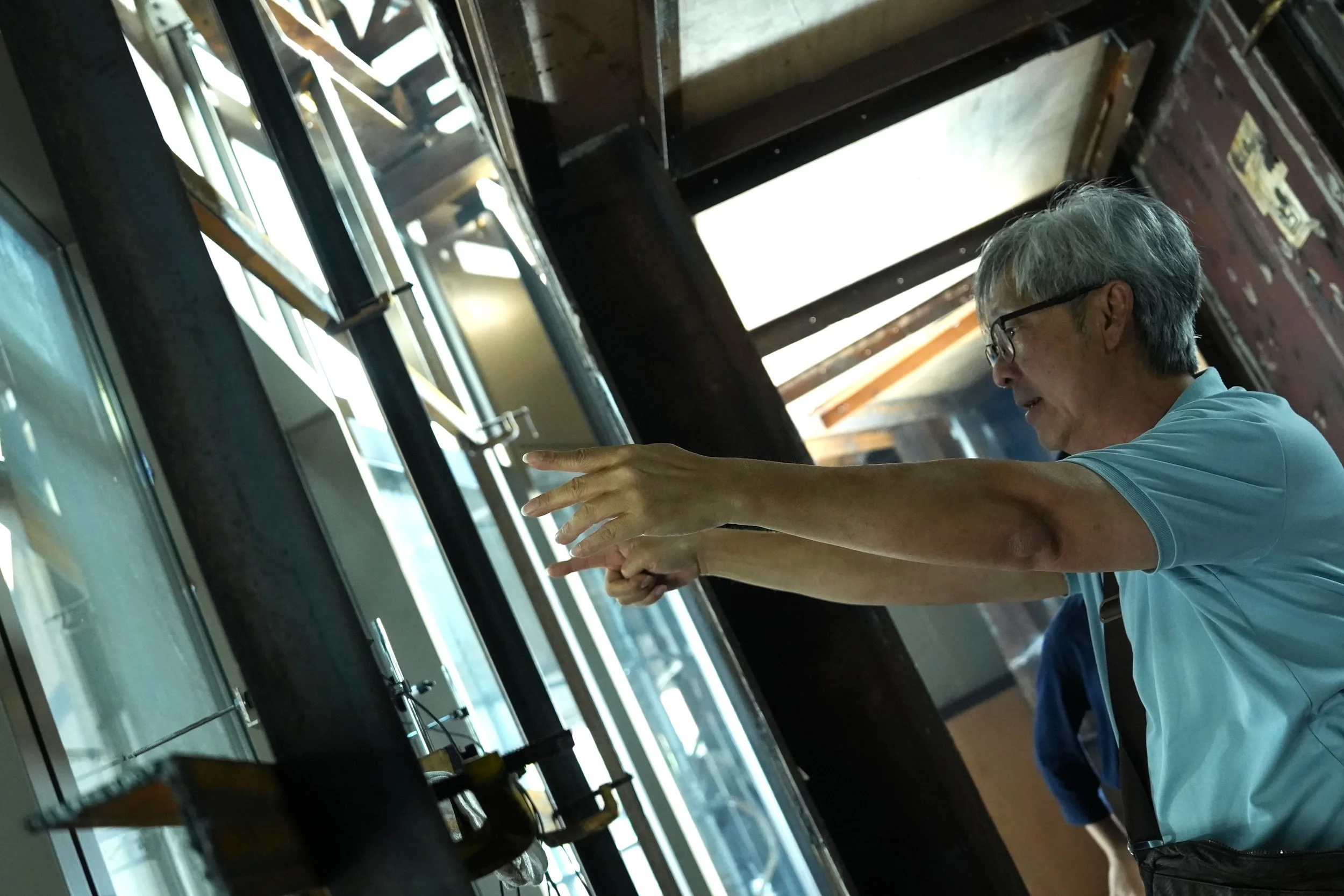
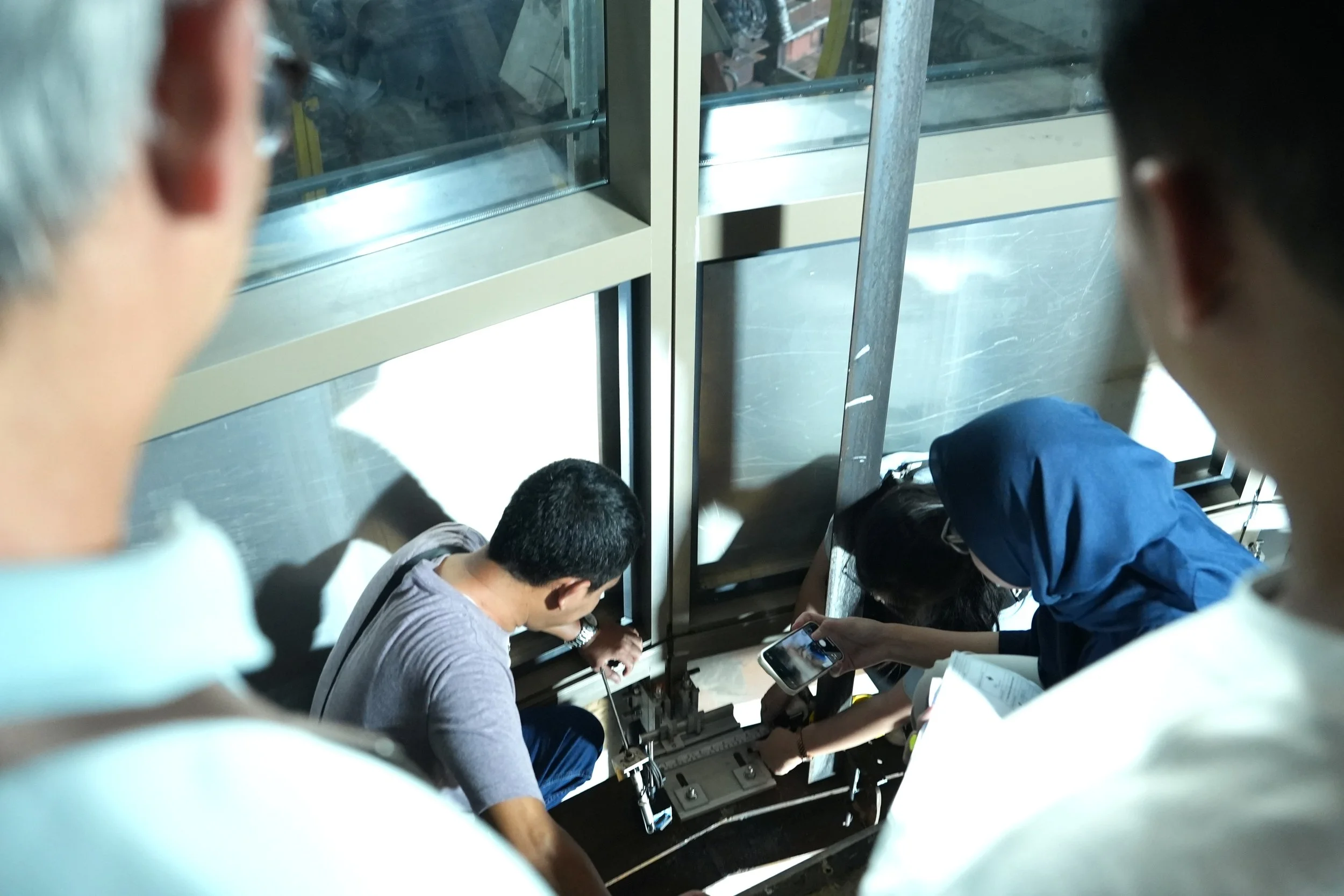
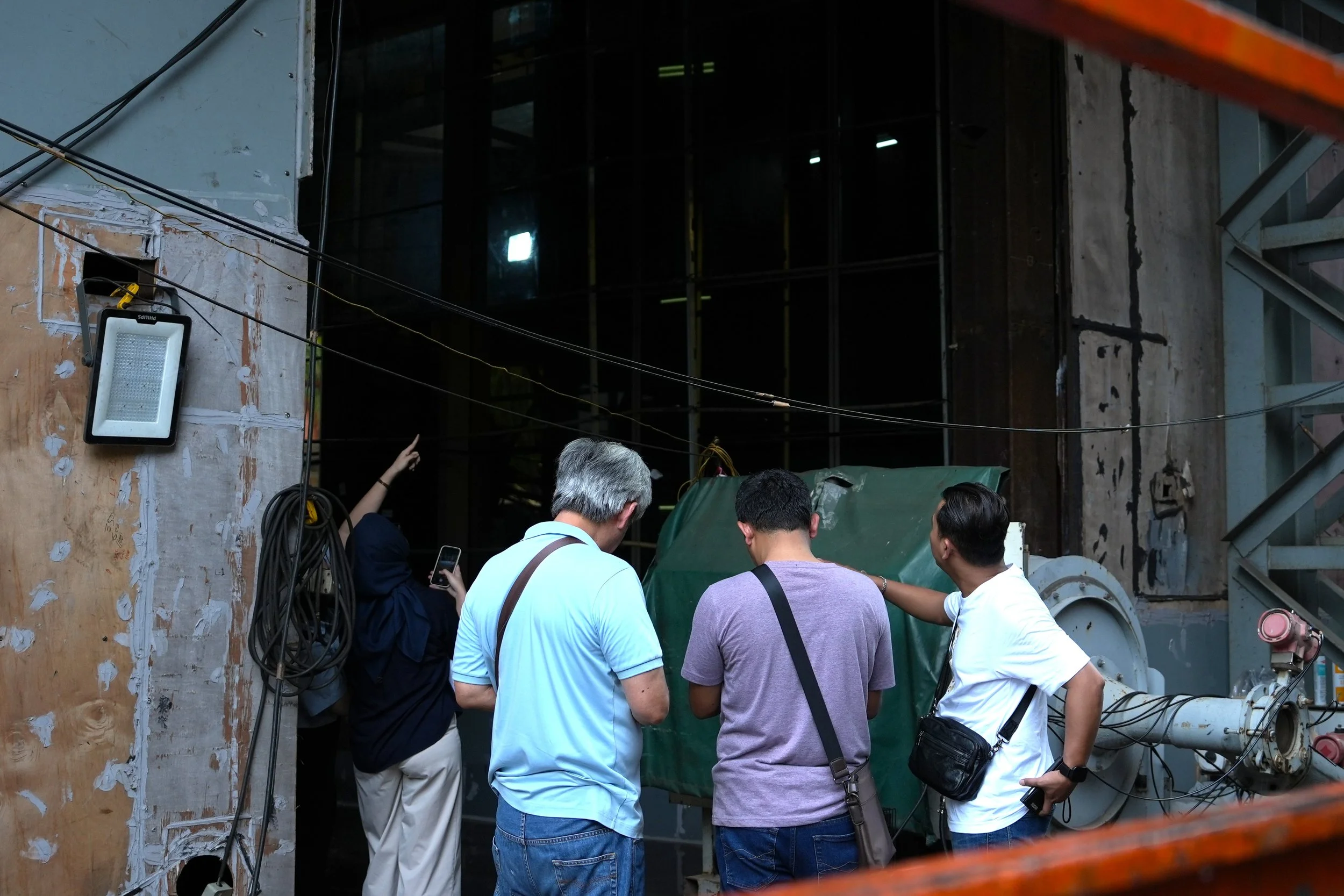
The implementation of this PMU Test reinforces that Pelitamaju is not only focused on façade aesthetics but also ensures that every installed system is safe, strong, weather-resistant, durable, and compliant with international standards.
By conducting these tests professionally, comprehensively, and in accordance with standardized procedures, Pelitamaju ensures that the façade project in BSD—and future projects—meets the highest performance level before installation on site. This is a tangible proof of Pelitamaju’s commitment as an Indonesian façade contractor that prioritizes precision, quality, and engineering responsibility in every project.